How to Make Barista-Quality Coffee at Home: A Complete Beginner’s Guide
Wiki Article
Making café-style coffee in your own kitchen is easier than most people think, and the right equipment makes all the difference. Whether you love espresso, pour-over, or a creamy latte, you can Buy Coffee Tools in UAE from trusted local retailers and start brewing like a professional barista. This guide covers the beans, grinders, brewing methods, and small habits that turn an average cup into a great one.
Why Homemade Coffee Is Worth the Effort
Brewing at home saves money, lets you control strength and flavor, and means you never settle for a stale or over-roasted cup. A daily café habit adds up quickly, while a good setup pays for itself within a few months. It also becomes a relaxing morning ritual, and you can experiment with beans, ratios, and techniques until you find your perfect cup.
Start With Fresh, High-Quality Coffee Beans
Great coffee starts with great beans. Look for a roast date on the bag and use beans within two to four weeks of roasting for the best flavor. Light roasts bring out fruity, floral notes, medium roasts offer a balanced and smooth taste, and dark roasts deliver a bold, chocolatey profile. Always store beans in an airtight container away from heat, light, and moisture, and avoid keeping them in the fridge, where they can absorb odors.
Invest in a Quality Coffee Grinder
Grinding just before brewing is one of the biggest upgrades you can make. Pre-ground coffee loses aroma quickly, while freshly ground beans preserve the oils and flavors that make coffee taste vibrant. A burr grinder is the best choice because it produces consistent particle sizes, unlike blade grinders, which create uneven grounds and a bitter, sour mix. Adjust the grind size to your brewing method: coarse for French press, medium for drip, and fine for espresso.
Essential Coffee Tools Every Home Barista Needs
You don’t need a café-sized setup, just a few reliable basics:
- Digital scale: Weighing your coffee and water keeps your results consistent.
- Gooseneck kettle: Its slow, controlled pour is ideal for pour-over brewing.
- Tamper and portafilter: Essential for even, well-extracted espresso.
- Milk frother or steaming pitcher: For lattes, cappuccinos, and flat whites.
- Coffee dripper or French press: Simple, affordable ways to brew full-flavored coffee.
- Thermometer: The ideal water temperature is between 90°C and 96°C.
Choose the Right Brewing Method
Each method highlights different qualities of the bean. Espresso is concentrated and rich, perfect for milk-based drinks. Pour-over gives a clean, bright cup with clear flavor notes. French press creates a full-bodied, hearty brew, and cold brew is smooth, low in acidity, and ideal for hot climates. Start with the method that suits your taste and schedule, and master it before moving on to the next.
Get the Coffee-to-Water Ratio Right
A common starting point is a 1:16 ratio, which means one gram of coffee for every sixteen grams of water. Stronger brews use 1:14, and milder ones go up to 1:18. Use filtered water, since tap water with a strong mineral or chlorine taste will affect your coffee. If your cup tastes sour, grind finer or brew a little longer. If it tastes bitter, grind coarser or shorten the brew time.
Keep Your Equipment Clean
Old coffee oils build up in grinders, filters, and machines and give your brew a rancid taste. Rinse your tools after each use, descale your machine regularly, and deep clean your grinder every few weeks. Clean equipment lasts longer and protects the flavor of every cup you make.
Serve It Right: Don’t Overlook the Mug
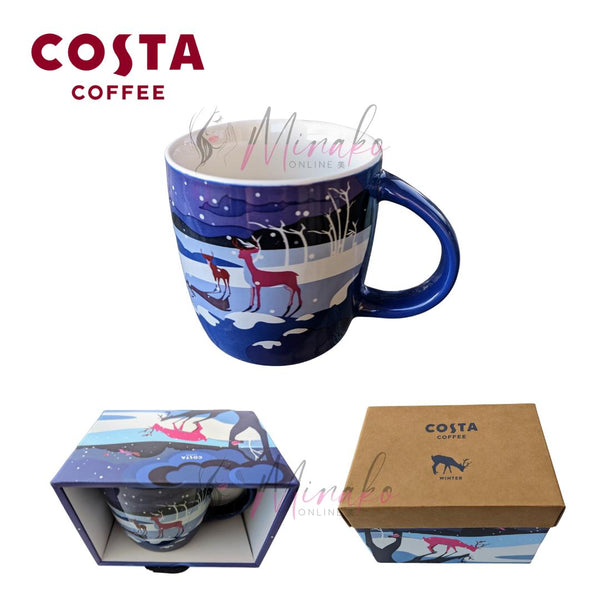
Presentation and temperature matter more than people realize. A well-insulated, comfortable mug keeps your drink warm longer and makes every sip feel more enjoyable. For a stylish and practical choice, the Costa - Coffee Mug is a popular pick among coffee lovers, offering a classic café feel that pairs perfectly with your freshly brewed espresso, latte, or cappuccino at home.
Conclusion
Brewing barista-quality coffee at home comes down to fresh beans, a good grinder, the right tools, accurate ratios, and clean equipment. Start with the basics, take notes on what you like, and adjust one variable at a time. With a little practice, you’ll be enjoying café-level coffee every morning without leaving your kitchen.
Frequently Asked Questions (FAQs)
1. What is the most important coffee tool for beginners?
A burr grinder is the best first investment, followed by a digital scale. Together they make the biggest difference in flavor and consistency.
2. How much coffee should I use per cup?
A good starting point is about 10 to 12 grams of coffee for a 180 to 200 ml cup, following the 1:16 ratio. Adjust to your taste.
3. How long do coffee beans stay fresh?
Whole beans taste best within two to four weeks of the roast date. Ground coffee loses flavor much faster, so grind only what you need.
4. What water temperature is best for brewing coffee?
Between 90°C and 96°C. Boiling water can scorch the grounds and cause bitterness.
5. Can I make espresso without an espresso machine?
Yes. A moka pot or AeroPress can make strong, espresso-style coffee, though it won’t have the same pressure-extracted crema.
6. How often should I clean my coffee equipment?
Rinse tools after every use, descale your machine monthly, and deep clean your grinder every two to four weeks.
7. Does the mug really affect the taste of coffee?
Mostly through temperature and experience. A good mug retains heat and enhances aroma, which makes your coffee more enjoyable.
Report this wiki page